

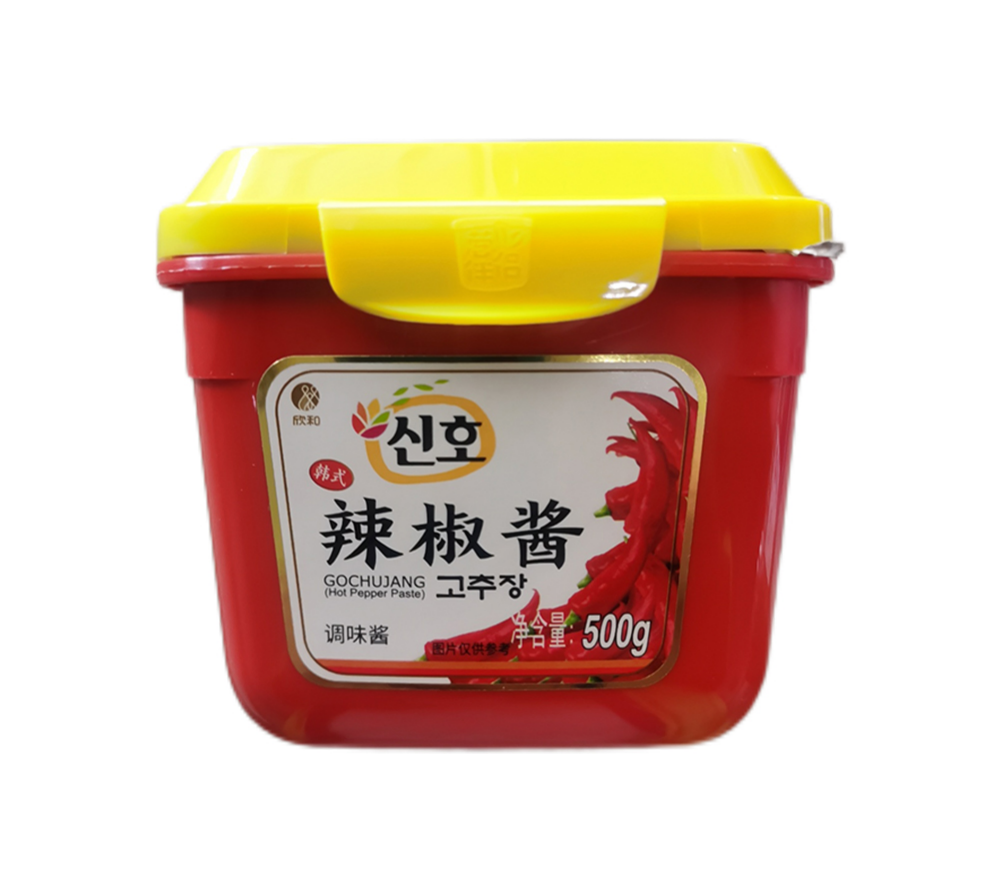
Beijing, China Jan 3, 2026 (Issuewire.com) - As the international culinary community increasingly seeks authentic ingredients to meet the rising demand for Korean-inspired flavors, Beijing Shipuller Co., Ltd. has observed a significant shift in procurement patterns. Within its extensive seasoning portfolio, the organization operates as a strategic Korean Gochujang supplier, providing a foundational fermented chili paste that serves as the backbone of traditional Korean cuisine. This Gochujang is characterized by its thick, sticky texture and a complex flavor profile that balances spicy heat with a gentle, savory sweetness derived from the natural fermentation of glutinous rice, fermented soybeans, and red chili powder. Engineered for professional high-volume use, the paste is designed to maintain its structural integrity and pungent aroma when integrated into hot stews, marinades, and dipping sauces. By offering this essential condiment within its "One-Stop" supply framework, the company assists global distributors and restaurant groups in securing stable, certified supplies of a flavor profile that has transitioned from a regional specialty to a global pantry staple.
Part I: Industry PerspectiveThe Globalization of Fermented Flavors
The landscape of the global condiment market is undergoing a structural transformation as consumers move beyond familiar spicy sauces toward those offering deeper "umami" complexity. Recent industry shifts indicate that fermented products are now at the forefront of the savory flavoring sector, driven by a convergence of cultural influence and health-oriented consumption.
The "Swicy" Trend and the Mainstreaming of Korean Staples
A primary driver in the current food service environment is the rise of "swicy" (sweet and spicy) flavor profiles. Gochujang, with its unique balance of heat and fermentation-derived sweetness, has become the preferred medium for this trend. Unlike vinegar-based hot sauces, the thick consistency of fermented chili paste allows it to function as a glaze, a base for braising, or a component in compound butters. As Korean culture continues to exert a strong influence on global media and lifestyle, dishes such as Bibimbap and Korean Fried Chicken have moved into the mainstream, creating a consistent requirement for high-quality, authentic base pastes in non-traditional markets across Europe, South America, and the Middle East.
Fermentation as a Value-Added Health Attribute
The global focus on gut health and natural processing methods has significantly benefited the fermented food category. Gochujang is increasingly recognized not just for its flavor, but for its traditional production method involving natural enzymes. Procurement teams in the health-casual dining sector are prioritizing suppliers who can provide products that align with "clean label" interestsminimizing synthetic additives while preserving the traditional depth that only long-term fermentation can provide. The move toward plant-based diets has also accelerated this trend, as Gochujang offers a potent source of savory "meatiness" for vegetarian and vegan applications without the use of animal products.
Supply Chain Resilience and Global Procurement Standardization
The food service industry is moving toward a more consolidated supply model. Volatile shipping environments and complex food safety regulations have led restaurant chains to seek partners who can provide multi-category solutions. The ability to source Korean staples alongside other Asian culinary essentialssuch as soy sauce, panko, and seaweedallows businesses to optimize their logistical footprint and ensure that every ingredient in a complex dish meets a unified standard of safety and traceability.
Part II: Institutional CapabilityRedefining the Asian Flavor Supply Chain
Beijing Shipuller Co., Ltd. has evolved beyond the traditional role of a merchant, positioning itself as a "Culinary Solutions Architect" since its inception in 2004. By integrating a vast manufacturing network into a cohesive export system, the company has solved the primary hurdle for international chefs: achieving localized consistency on a global scale.
The Synergy of Regional Expertise and Industrial Precision
Instead of relying on a single production site, the organization leverages a decentralized manufacturing model. This allows for the selection of specific facilities that excel in traditional fermentation techniques, ensuring the Gochujang retains its authentic "Gochugaru" (red chili powder) vibrancy and the complex enzymatic profile of fermented rice. This technical depth is paired with modern safety protocols, where the traditional process is monitored by contemporary quality control systems (including BRC and HACCP), ensuring that the final paste remains stable during long-distance transoceanic shippinga common failure point for artisanal fermented goods.
"Flex-Supply" Strategy: Solving the LCL and Customization Puzzle
One of the most significant innovations in the organization's service model is its "Flex-Supply" capability, traditionally referred to as the "Magic Solution." This addresses three critical pain points for modern restaurant groups:
The "Zero-Waste" Procurement: By facilitating LCL (Less than Container Load) shipments, the company allows regional distributors to import a diverse "Asian Pantry"combining Gochujang with noodles, vinegar, and coating systemswithout the financial burden of overstocking a single category.
Flavor Calibration: The R&D division doesn't just offer a static product; it provides flavor calibration. If a Western restaurant chain requires a Gochujang with a higher brix level (sweetness) for glazes, or a smoother texture for bottled dressings, the company can adjust the filtration and fermentation parameters accordingly.
Customized Packaging Solutions: Recognizing that back-of-house efficiency varies by operation, the company offers a range of packaging types. This includes small-format pouches for retail and precise portioning, alongside large-capacity industrial formats for professional kitchens. This flexibility is supported by a professional design team that helps clients maintain brand identity through private label services.
Market Integration and Culinary Partnership
The company's presence at international forums like SIAL, Gulfood, and Anuga is not merely for exhibition but for active culinary intelligence gathering. By engaging directly with executive chefs and global procurement heads, the organization ensures its Gochujang formulations reflect current kitchen realitiessuch as the need for sauces that remain stable under heat lamps or those that emulsify easily into mayonnaise-based "K-Mayo" spreads. This proactive partnership model has solidified its role as a trusted companion in 100 countries, helping partners navigate the complexities of Asian ingredient sourcing with professional ease.
Conclusion
As the global appetite for authentic and fermented ingredients matures, the importance of a reliable, high-capacity supply partner remains paramount. Beijing Shipuller Co., Ltd. continues to leverage its extensive manufacturing network and two decades of export expertise to deliver consistent, high-performance culinary solutions. By offering Korean Gochujang alongside a comprehensive range of Asian food staples, the company ensures that its clients have the necessary tools to succeed in an increasingly competitive and flavor-conscious market.
For more information on product specifications, international certifications, or to request a customized flavor solution, please visit the official corporate website: https://www.yumartfood.com/
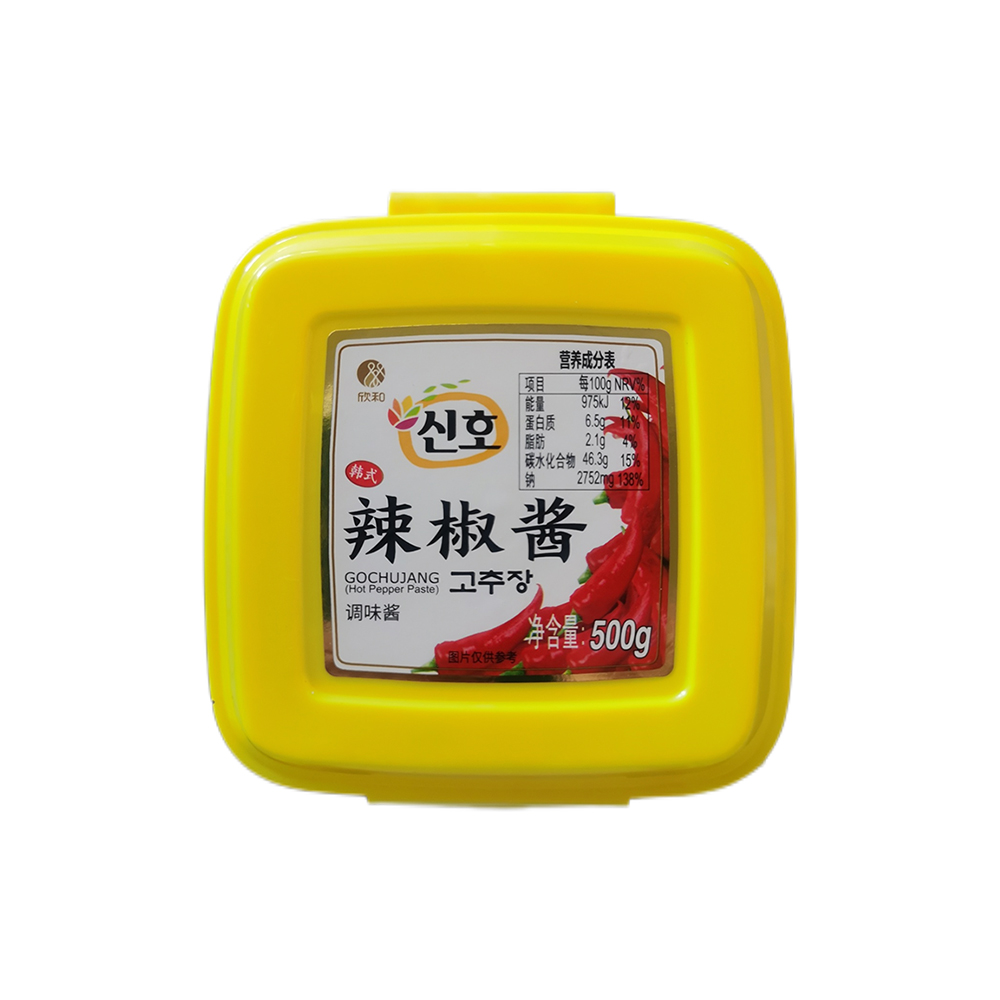
Source :Beijing Shipuller Co., LTD
This article was originally published by IssueWire. Read the original article here.
6 month's ago